Zafiro
A browser-based 3D platform and engine for building immersive, art-directed worlds.
Explore Zafiro through Isle LabPlatform baseline
- Status
- Active platform
- Role
- Concept, platform architecture, product design, visual direction and implementation.
- Core stack
- React · JavaScript · Three.js · WebGL · ZafiroUI
- Period
- 2023—now

Platform context
Context
Zafiro is the reusable engine stack and runtime foundation behind independent browser products. It defines shared layers and contracts while leaving each product responsible for its own entrypoints, workflows, UI and policy.
Outcome
A shared runtime platform that supports several independent products with their own entrypoints, interfaces and policies while reusing rendering, capabilities, world shells and a manifest-backed data plane.
Architectural pressure
Turn an expanding immersive application into a reusable platform without pushing every shared concern into Core, coupling products to one another, treating Isle Lab as the whole platform or forcing a single large rewrite.
Decision ledger
Architecture decisions
- Separate responsibilities across Core, World Runtime, Capabilities, World Shells and World Data / Data Plane.
- Give each product an explicit lifecycle through RuntimeWorld and ProductPlugin contracts.
- Keep entrypoints, UI, workflows and policy product-owned rather than platform-owned.
- Treat product-to-product imports as architectural coupling so consumers meet through stable platform boundaries.
- Incubate uncertain reusable features inside Isle Lab and promote them only after product semantics are removed.
Engineering system
Engineering
- Extracting reusable boundaries from a historically growing application without freezing development.
- Containing legacy world-6 naming and ownership while newer world shells become explicit.
- Separating scene-content and publishing capabilities from product-specific policy.
- Routing manifest-backed world data through indirection instead of direct asset assumptions.
- Keeping product entrypoints lightweight and independently bootable.
Proof ledger
Evidence
Garden Planner, Isle Lab and ReferenceScene are defined as separate consumers of the platform.
Platform architecture documentation
The runtime exposes an explicit product lifecycle contract.
Platform architecture documentation
The platform architecture says products should not import one another.
Platform architecture documentation
World data and asset resolution pass through a dedicated manifest gateway.
Platform architecture documentation
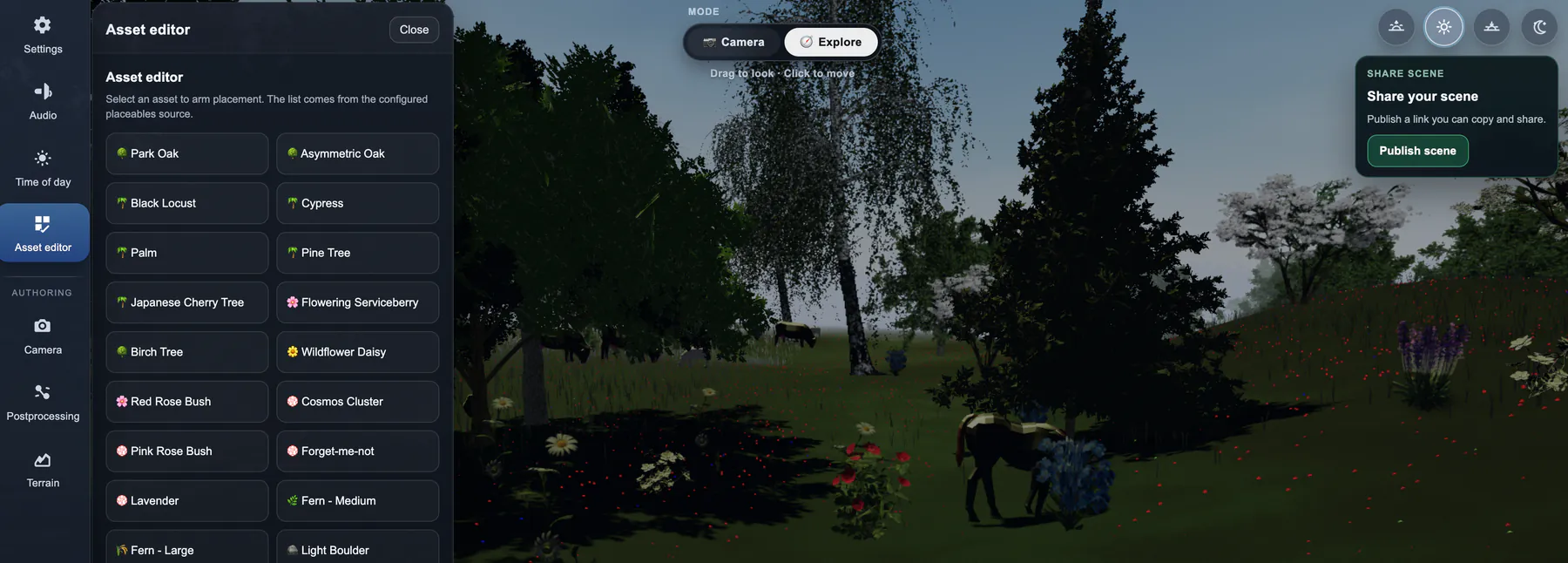
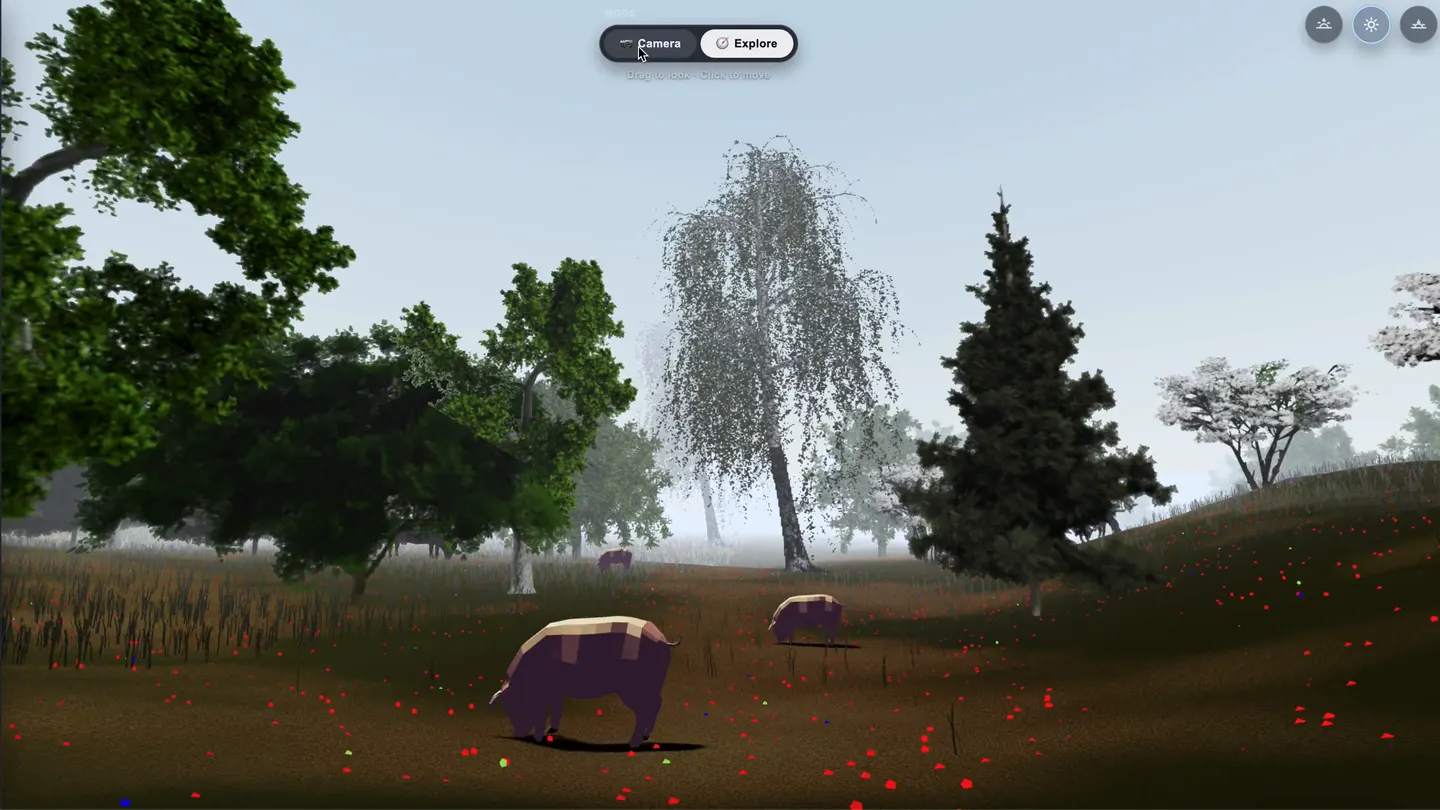
Isle Lab provides a public demonstration of a world running on Zafiro.
Scope
Limitations
- Legacy world-6 naming and its support bundle still exist in parts of the repository.
- Not every potentially reusable Isle Lab module has been promoted into the platform.
- Some packaging and ownership boundaries continue to evolve as product consumers mature.
- Zafiro is not currently distributed as a public SDK.
Destinations